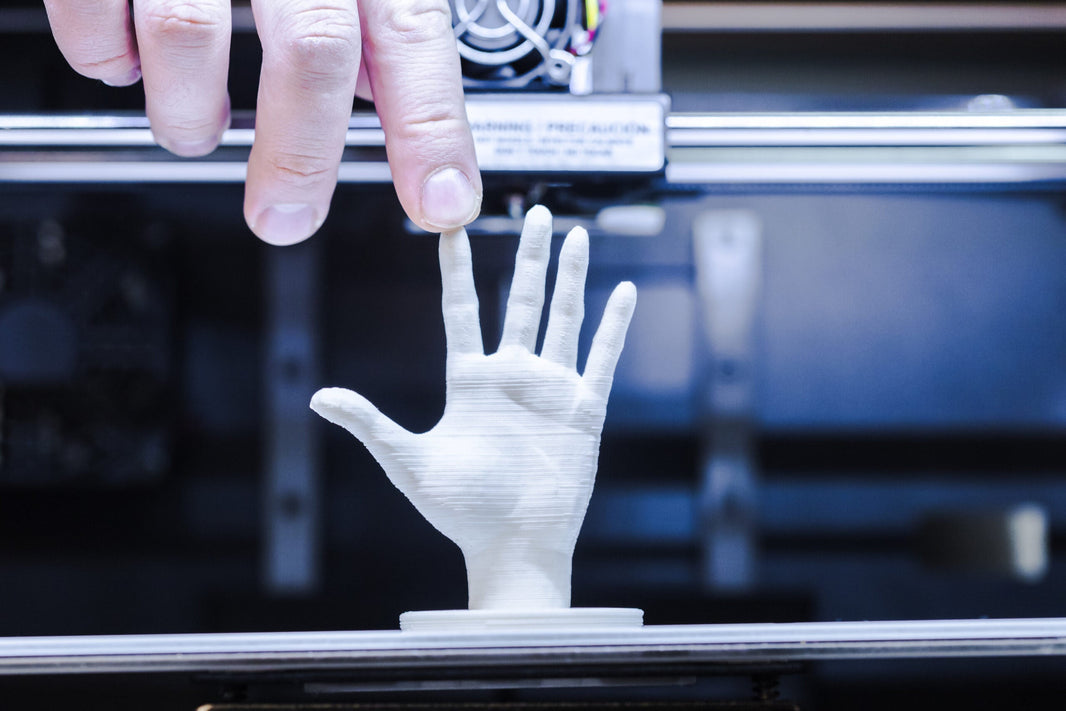
The concept of "printing" an object used to sound like science fiction. Today, it’s a standard part of manufacturing, medicine, and hobbyist workshops across all over the globe especially Europe and the Americas. But if you think you know 3D printing technology, think again. The leap from 2024 to 2025 hasn't just been a step forward; it’s been a sprint.
We are no longer in the era of slow, unreliable prototyping where a simple model took all day to print. The new 3d printing technology emerging this year is focused on three pillars: speed, precision, and automation. At UFM Design, we have witnessed this shift firsthand and have engineered our entire ecosystem to support these next-generation machines.
In this comprehensive guide, we will explore the seven most critical 3D printing technology advancements 2025 has brought to the table. We’ll dive into how these changes affect your workflow and why upgrading your knowledge and your setup with the right professional equipment is more important now than ever before.
The New Era of Manufacturing: 3D Printing Technology in 2025
For years, 3D technology occupied a specific niche: it was great for making one or two prototypes, but too slow for mass production and often too finicky for the average user. That narrative is dead.
The current generation of machines has crossed a threshold. We are seeing "desktop" printers that rival the output of industrial machines from five years ago. This democratization of high-end manufacturing capability means that the line between a "hobbyist" machine and a "professional" tool is blurring. A high-end resin printer used for Dungeons & Dragons figures uses the exact same 3D printing technology as the machine used to print dental aligners. This convergence is driving innovation at a breakneck pace, lowering costs while skyrocketing performance.
The 7 Biggest 3D Printing Technology Advancements You Need to Know
Let’s cut through the marketing noise and look at the real engineering breakthroughs defining this year.
1. The Speed Revolution: Core-XY and Input Shaping
If you asked any 3D printing enthusiast in 2020 what their biggest complaint was, they would have said "speed." Waiting 15 hours for a medium-sized print was the norm. In 2025, that same print takes less than four hours.
This massive reduction in time is due to the widespread adoption of Core-XY motion systems combined with "Input Shaping" algorithms.
-
Core-XY Mechanics: unlike the traditional "bed slinger" printers where the heavy build plate moves back and forth, Core-XY printers keep the bed stationary (or moving only vertically) while the print head zips around on a gantry. This reduces the moving mass, allowing for incredible acceleration.
- Input Shaping: This is a software breakthrough. When a printer moves fast, it vibrates, causing "ringing" or "ghosting" artifacts on the print surface. Input Shaping analyzes these vibrations and proactively adjusts the motor movements to cancel them out.
However, high speeds require a rock-solid foundation. Even the best Input Shaping can't fix a wobbly desk.
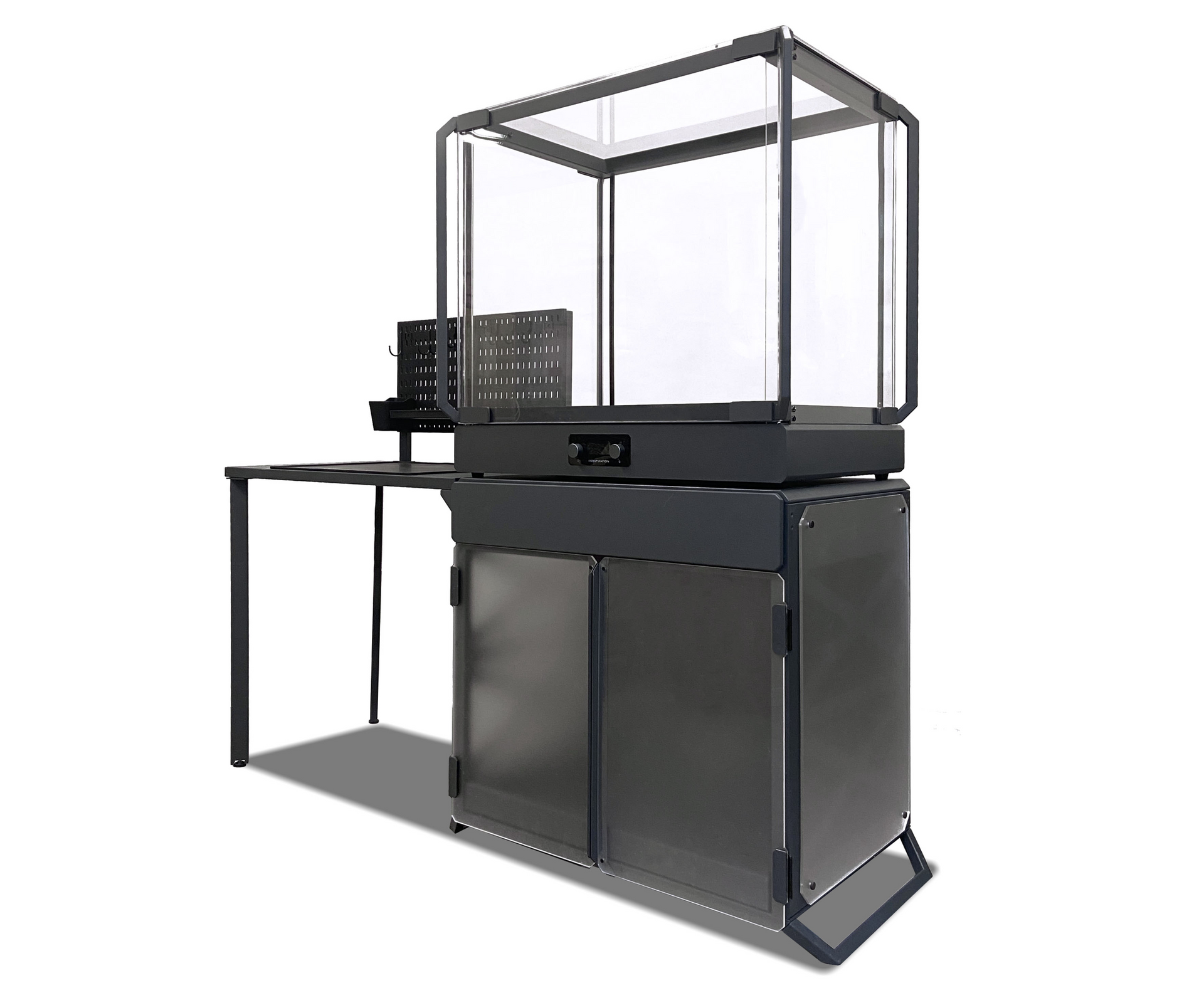
Pro Tip: To get the most out of these high-speed machines, ensure your printer is placed on a sturdy, vibration-dampening surface. Check out our PrintStation Workstation Desk designed specifically to handle the vibrations of modern high-speed printing.
2. 12K Resolution: The New Standard for Resin Printing
While FDM (filament) printers chase speed, resin (SLA/MSLA) printers are chasing the limits of human vision. The standard for a "good" resin printer used to be a 4K screen. Now, 12K is the new benchmark for excellence.
But why does 12K matter? It’s all about pixel density. On a standard 10-inch screen, a 12K resolution results in an XY pixel size of roughly 19x19 microns. To put that in perspective, a human red blood cell is about 7 microns wide.
For hobbyists, this means miniatures with skin pores and fabric textures that are visible to the naked eye. For professionals, specifically in dentistry, it means margin lines on crown preps are razor-sharp, ensuring a perfect fit without manual adjustment. This new 3D printing technology virtually eliminates the "stair-stepping" layer lines that plagued old models.
3. AI-Assisted Printing: No More Failures
We’ve all been there: you start a 10-hour print, go to sleep, and wake up to find a "spaghetti monster"—a mess of tangled plastic because the print detached from the bed.
Artificial Intelligence (AI) has finally entered the chat. Modern flagship printers now come equipped with Lidar sensors and AI cameras. These systems scan the first layer to ensure perfect adhesion. If the print detaches or if a foreign object is detected on the plate, the AI pauses the print and alerts your phone.
This advancement in 3D printing technology changes the user experience from "hope and pray" to "trust and verify." It saves countless kilos of wasted filament and resin.
4. Biocompatible & Medical-Grade Materials
Hardware is useless without the right materials. One of the most significant 3D printing technology advancements 2025 has delivered is in the chemistry of resins.
We are seeing a surge in affordable, FDA-approved (and EU MDR compliant) biocompatible resins. These aren't just for making models; they are for making end-use parts that go into the human body.
-
Permanent Crown Resins: Ceramic-filled resins that are strong enough to stay in a patient's mouth for years.
- Surgical Guide Resins: Materials that can withstand autoclave sterilization without warping.
This shift allows local dental practices to become mini-manufacturing hubs, bypassing external labs and reducing patient wait times from weeks to hours.
5. Automated Post-Processing Ecosystems
The print finishing—washing, curing, support removal, and sanding has always been the messy, "dirty little secret" of 3D printing technology.
Manufacturers are finally addressing this by creating closed-loop ecosystems. We now have "Wash and Cure" stations that communicate with the printer via Wi-Fi, knowing exactly which resin was used and setting the wash timer accordingly. Furthermore, advancements in support generation software mean supports now have "needle-point" contact tips, snapping off cleanly and leaving almost no marks.
Stop Breathing in Resin Dust: Automation helps, but sanding is still manual. Protect your lungs and keep your shop clean with the SwiftBuilder MKII Resin Vacuum, specifically designed to capture fine particles during post-processing.
6. Multi-Material and Full-Color Fabrication
Until recently, if you wanted a part with rubber grips and a hard plastic shell, you had to print them separately and glue them together. New tool-changing systems (IDEX - Independent Dual Extruder) and multi-material units (MMU) are making it easy to print with up to 16 different colors or materials in a single job.
This allows for:
-
Soluble Supports: Printing the support structures in a material that dissolves in water, allowing for impossible geometries
-
Functional Gradients: Parts that are rigid at one end and flexible at the other.
7. Sustainable and Eco-Friendly 3D Printing
As the popularity of 3d technology grows, so does the waste. The industry is responding with a strong push toward sustainability.
-
Recycled Filaments: High-quality PLA and PETG made from industrial waste.
-
Bio-Based Resins: Photopolymers derived from soybean oil rather than harsh petroleum chemicals, significantly reducing the toxicity and odor associated with resin printing.
-
Cardboard Spools: Almost all major filament brands have switched from plastic to recyclable cardboard spools, reducing landfill waste.
Deep Dive for Professionals: How New 3D Printing Technology Impacts Dentistry
If you are a dental professional, these advancements are not just "cool tech"—they are business necessities. The integration of 3D printing technology into the dental workflow is now seamless.
Chairside Production: From Scan to Smile in Hours
The combination of fast intraoral scanners and high-speed 3D printing technology has enabled true "chairside" dentistry. With print speeds now allowing a full dental model to be printed in under 20 minutes, a patient can come in for a scan in the morning and pick up their clear aligners or night guard in the afternoon.
This rapid turnaround increases patient satisfaction and allows practices to command a premium for "same-day" services. The capability to print complex geometries quickly is fundamentally changing how clinics schedule appointments and manage workflows.
Accuracy and Compliance with Modern 3D Technology
With 12K resolution, the accuracy of printed parts now rivals or exceeds traditional milling. For implantology, where precision is non-negotiable, new 3D printing technology ensures that surgical guides fit perfectly every time. This reduces surgical risks and liability. Furthermore, the automated logging and tracking features in modern printer software help clinics maintain compliance with medical device regulations by recording exactly which resin batch was used for which patient.
The Hobbyist Perspective: Why Now is the Best Time to Start
For the hobbyist or the home user, the barrier to entry has never been lower.
Plug-and-Play: The End of Tinkering?
Five years ago, owning a 3D printer meant being a part-time mechanic. You had to manually level the bed with a piece of paper, tighten belts, and unclog nozzles constantly.
The 2025 generation of printers is largely "appliance-like." They come pre-assembled, auto-level themselves using strain gauges, and update their own firmware over Wi-Fi. This shift means you can focus on creating—designing that cosplay armor, printing that custom drone part, or making personalized gifts—rather than fixing the machine. 3D printing technology has finally become a tool for the artist, not just the engineer.
Improving Your Setup: The Role of Environment Control
With great power comes a need for control. While 3D printing technology has solved the speed and quality issues, it hasn't changed physics or chemistry. Resin still emits Volatile Organic Compounds (VOCs), and FDM printing creates ultrafine particle
Why Advanced Tech Needs Advanced Protection
If you are running a high-speed printer or a 12K resin machine, you are investing in precision. However, temperature fluctuations in your room can cause warping, ruining that precision. Furthermore, the health risks of inhaling resin fumes or sanding dust are real.
This is where your environment setup becomes as important as the printer itself.
-
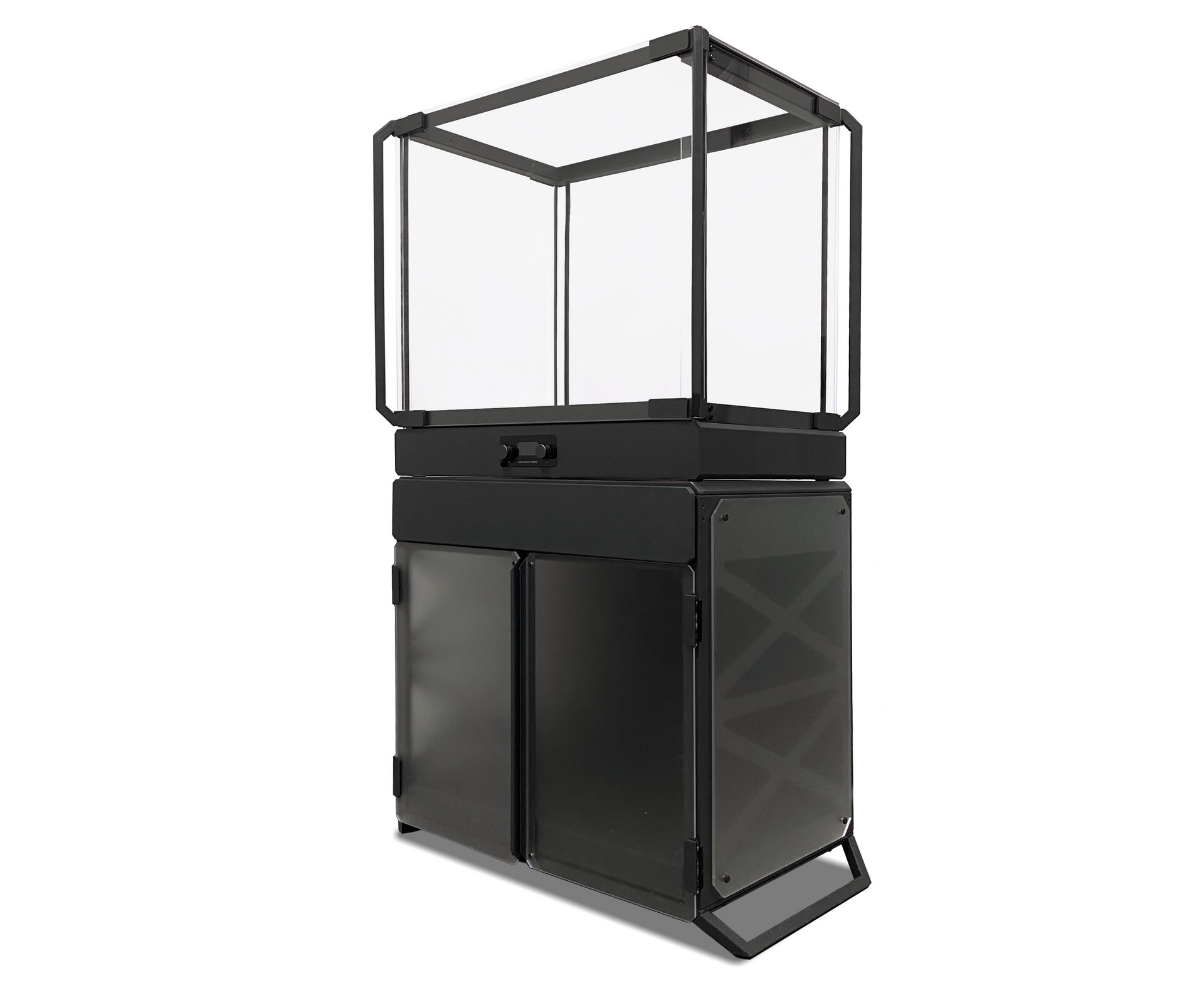
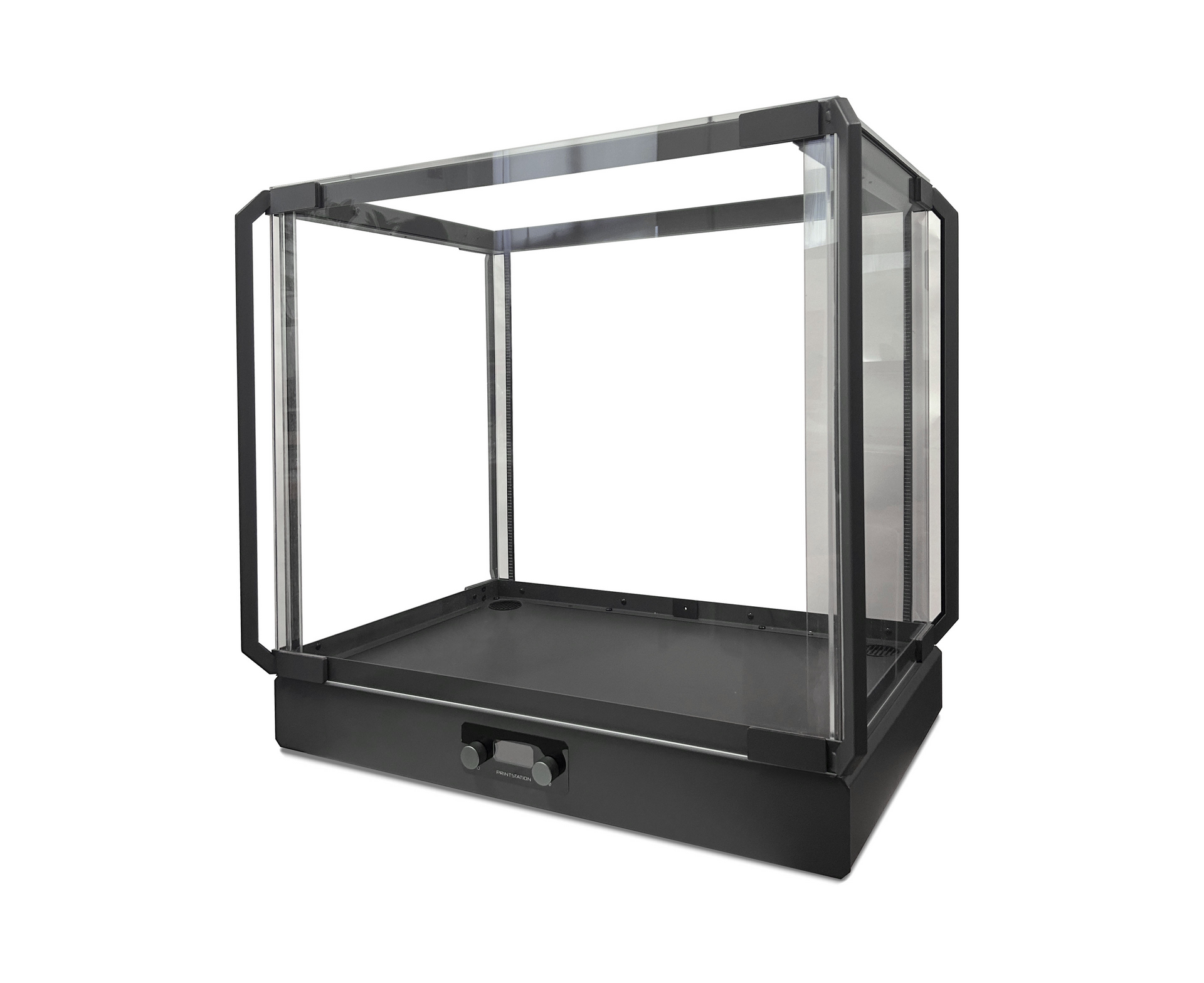
Enclosures: A dedicated enclosure, like the UFM Design’s PrintStation, maintains a stable internal temperature, which is critical for engineering materials like ABS or ASA. More importantly, it contains fumes and filters the air, protecting you and your family.
- Cleaning Tools: When post-processing your prints—sanding down those support marks—you create fine dust. Using a standard vacuum can blow this dust back into the air. Specialized tools, such as the SwiftBuilder Resin Vacuum, are designed to handle these specific particulates, keeping your workspace professional and safe.
You wouldn't buy a Ferrari and park it in a swamp. Don't let fumes and dust compromise your health or your prints. Shop our complete collection of filtration and cleaning accessories here.
Frequently Asked Questions About 3D Printing Technology
Q: Do I really need a 12K printer for D&D miniatures?
A: "Need" is a strong word, but if you want to paint miniatures without seeing any layer lines or pixelation, 12K is the way to go. It captures details that 4K and 8K printers simply blur out.
Q: Is new 3D printing technology harder to maintain?
A: Surprisingly, no. While the tech is more complex, the maintenance is often easier because the machines are built with better components and have self-diagnostic routines to tell you when something is wrong.
Q: Are the new dental resins safe for long-term use?
A: Yes, but only if they are certified. Look for Class IIa biocompatible resins that are specifically approved for long-term mucosal contact. Always follow the manufacturer's curing instructions strictly to ensure safety.
Summary: Embracing the Future of Fabrication
The 3D printing technology advancements 2025 has unveiled are truly transformative in which UFM DESIGN have also moved beyond the days of tinkering and testing into an era of reliable, high-speed, and high-precision production.
From the 12K resolution that brings miniatures to life, to the biocompatible resins revolutionizing dental offices, 3D printing technology is more capable and accessible than ever. However, owning the latest printer is only step one. To achieve consistent, professional results, you need a workspace that matches the quality of your machine.
To truly elevate your 3D printing experience, you can simplify your workflow with our professional-grade equipment. Browse our complete collection of enclosures, workstations, and more to create the perfect setup for your projects.